
The Summer Space 2026

Summer has long been associated with outdoor experiences, travel, and leisure - but increasingly, the modern shopping mall has been emerging as one of the most powerful environments for brands to connect with audiences during the warmer months. Far from being simply retail destinations, malls have evolved into multi-purpose social and entertainment hubs that align closely with how people want to spend their time in summer.
When you look at the data alongside broader behavioural trends, a clear narrative emerges: malls are not just relevant in summer, they are uniquely situated as an Out-Of-Home (OOH) environment.
Seasonal Uplift in Footfall and Engagement
At the most fundamental level, there is a measurable uplift in mall engagement as soon as summer begins. Real-time Data Jam figures show a 15% increase in mall screen impressions at the start of the school holidays, signalling a sharp rise in footfall and dwell time as families and young people look for ways to spend their free time.
This momentum continues throughout the season, with impressions sitting 3% above the overall summer average during the August Bank Holiday. Destination malls in particular benefit from this behavioural shift, seeing a 7% increase in screen impressions relative to city centres, reinforcing the idea that consumers are willing to travel for a more comprehensive, experience-led day out.
Why Consumers Choose Malls in Summer
Understanding why people choose malls in summer is key to understanding their value for brands. While British summers can be unpredictable, malls offer a controlled, comfortable environment that removes friction from the experience.
Air-conditioned comfort is a driver for 37% of visitors, but it is the breadth of offering that truly differentiates the space. A majority of consumers (61%) cite the wide variety of stores as a key reason to visit, closely followed by restaurants and food courts at 59%. Entertainment also plays a major role, with 42% drawn by cinemas, arcades and events, while 39% value family-friendly activities.
The mall becomes, in effect, a one-stop destination where shopping, dining and leisure seamlessly coexist.
The “Summer Effect” on Mindsets and Spending Behaviour
This multifunctional appeal is amplified by the mindset consumers bring with them. Compared to the high street, there is 30% more positivity associated with shopping in malls. Within the space, 43% of visitors say they feel comfortable, 33% feel excited and 17% explicitly view it as somewhere they want to spend money. These emotional cues matter: they create an environment where consumers are not only receptive to brand messaging but also more inclined to act on it.
Layered on top of this is what might be called the “Summer effect.” Seasonal shifts in mood and behaviour have a direct impact on spending patterns. During summer, 78% of people report feeling happier, and 30% say they are more excitable. This translates into tangible commercial outcomes: 78% are more likely to spend on leisure activities, 72% are more open to spontaneous purchases, and 44% expect to spend £200 or more. In other words, summer doesn’t just increase footfall - it enhances purchasing intent.
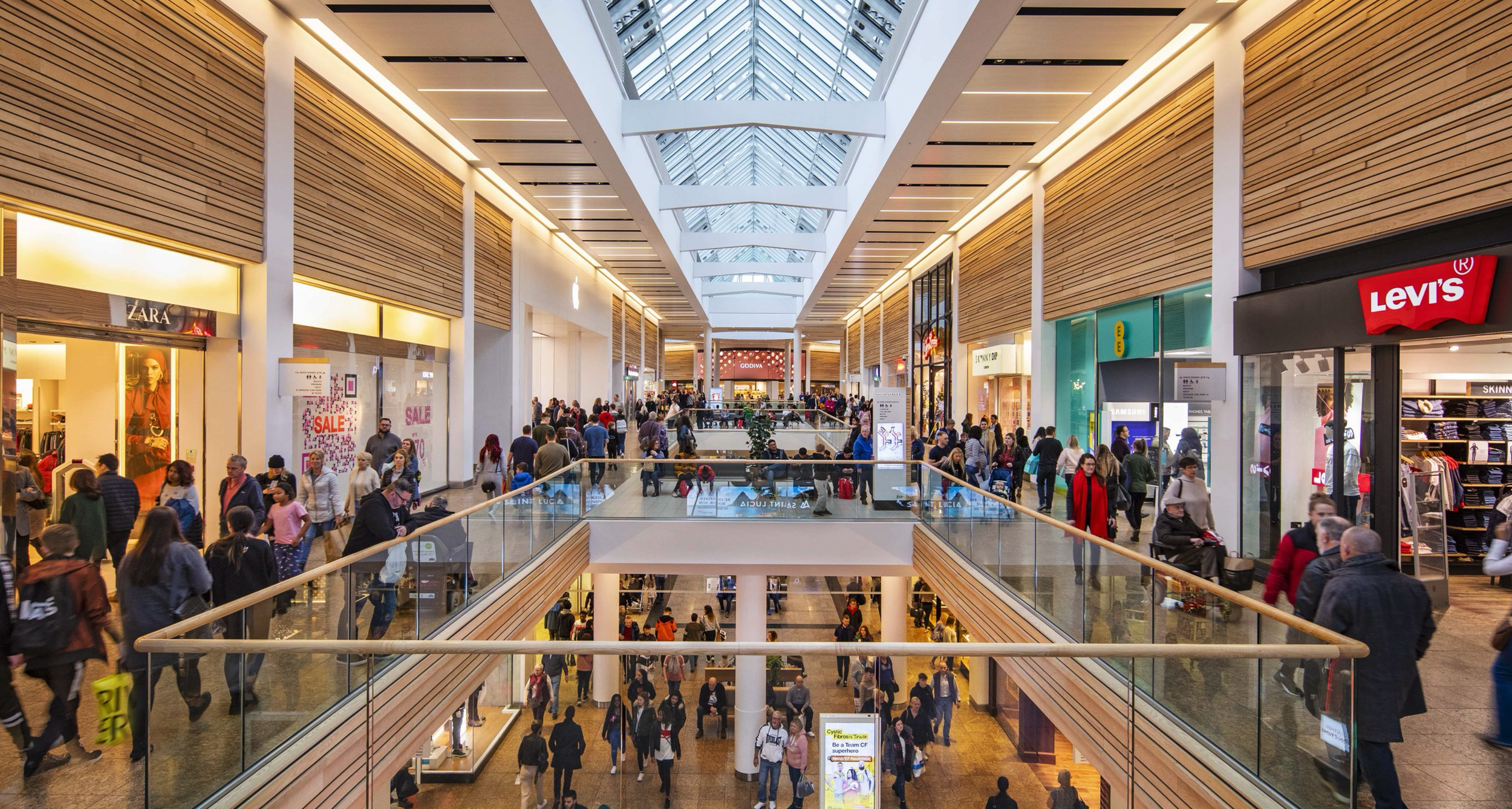


The Mall Experience
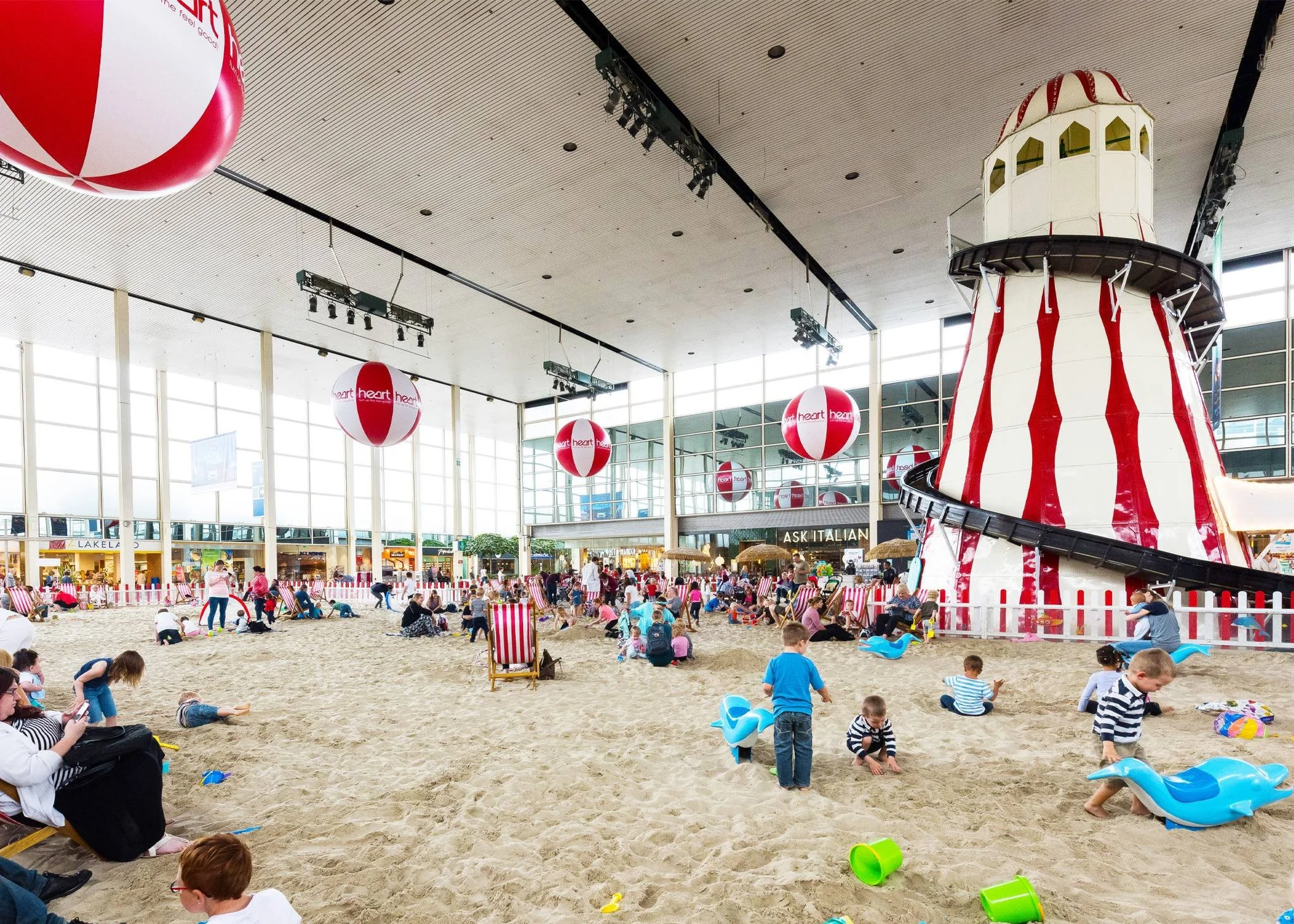
Malls are increasingly designed to capitalise on this shift by leaning into experiential retail. Visitors are not just coming to shop; they are coming for curated, seasonal experiences that transform malls into destinations in their own right. Consumers are particularly drawn to leisure-led activations such as street food markets (53%), live music and screenings (40%), and immersive environments like gardens (37%) and even artificial beaches (36%).
Elements such as ice cream vans, outdoor play zones, and pop-up bars further reinforce the sense that malls are tapping into the cultural language of summer, blurring the line between retail space and festival atmosphere.
High-Intent Categories and Seasonal Spend
This experience-led approach also aligns with what people are planning to spend on. Beyond everyday essentials like food and sun protection, summer mallgoers are prioritising fashion (76%), holidays (57%), and fragrances (52%).
These categories are inherently tied to identity, aspiration, and social activity-all of which are heightened during the summer months. For brands operating in these spaces, malls offer a high-intent audience already primed to engage.
Aligning with Major Summer Events
The connection between malls and major summer events further strengthens this positioning. Mallgoers are significantly more likely than average to engage with key cultural moments, from sport to social occasions. They are 7% more likely to watch the upcoming 2026 World Cup, 33% more likely to attend Wimbledon, 24% more likely to go to festivals, 30% more likely to attend Royal Ascot, and 57% more likely to attend the British Grand Prix. Each of these events drives associated spending, whether on fashion, food and drink, or technology, creating natural opportunities for brands to connect messaging with real-world behaviours.


The Growth of the Night-Time Economy
Importantly, the mall experience does not end when the sun goes down. The night-time economy is an increasingly important part of the picture, encompassing activity between 6pm and 6am across retail, leisure, and hospitality. Mall screens deliver 19% of total impacts after 6pm, with evening visits growing 26% year-on-year. Between Thursday and Saturday, 20% of visits occur between 6pm and 11pm, rising to 22% on Fridays. This extended dwell time provides brands with additional opportunities to reach consumers in a more relaxed, socially driven mindset.
This bleeds into the pattern shifts we see in entertainment offerings playing a crucial role in sustaining engagement. Summer blockbuster film releases, for example, drive a 5% uplift in weekend visits and a 4% increase in evening footfall. These moments act as anchors, drawing audiences into malls and increasing the likelihood of additional spending across retail and food and beverage.
Capturing the Back-to-School Moment
As the season progresses, another critical retail moment emerges: back-to-school. Planning begins early, with nearly 40% of shoppers starting to think about purchases in July. Malls are uniquely positioned to capture this demand by offering convenience, variety, and targeted promotions, allowing families to complete multiple shopping missions in a single trip. This reinforces the mall’s role not just as a leisure destination, but as a practical solution during key seasonal transitions.
The Attention Advantage of Mall Media
For brands, however, presence alone is not enough - it is about attention. In an increasingly fragmented media landscape, malls offer a rare combination of high dwell time and low distraction. Our Attention Space research shows that mall-based advertising can be up to 3.5 times more effective than online and high street formats.
This is driven by immersive, high-impact environments that engage multiple senses, from large-format digital screens to ambient audio and experiential activations. In a setting where consumers are already primed to explore, discover, and spend, advertising becomes part of the experience rather than an interruption.
Conclusion: A Strategic Summer Advantage
Taken together, these factors point to a clear conclusion. Malls are no longer just places to shop; they are central to how people experience summer. They offer comfort, convenience, and entertainment in equal measure, while fostering a positive, spend-ready mindset. For brands, this creates a powerful opportunity to connect with audiences at scale, in an environment where attention is higher, emotions are elevated and purchase intent is strong.
Want to discuss this further? Please feel free to get in touch if you would like to talk to us about opportunities relating to anything mentioned above or any other queries.