
Buying Into 2026: Predictions for Mall OOH
The start of a new year always feels like a turning point - a moment to pause and take stock, to acknowledge the long hours, tight deadlines, and countless steps taken to deliver outstanding results. It’s also a moment of excitement, seeing all that effort lay the groundwork for growth in the year ahead.
As we move into 2026, it feels like we’re on the brink of another transformative year. With new partnerships, advanced systems, and exciting opportunities, we’re ideally positioned to deliver on the trends that will shape mall OOH over the next 12 months. Here’s what we believe will keep brands “buying in” like never before.
1. Large-Scale Impact and the Growth of Special Builds
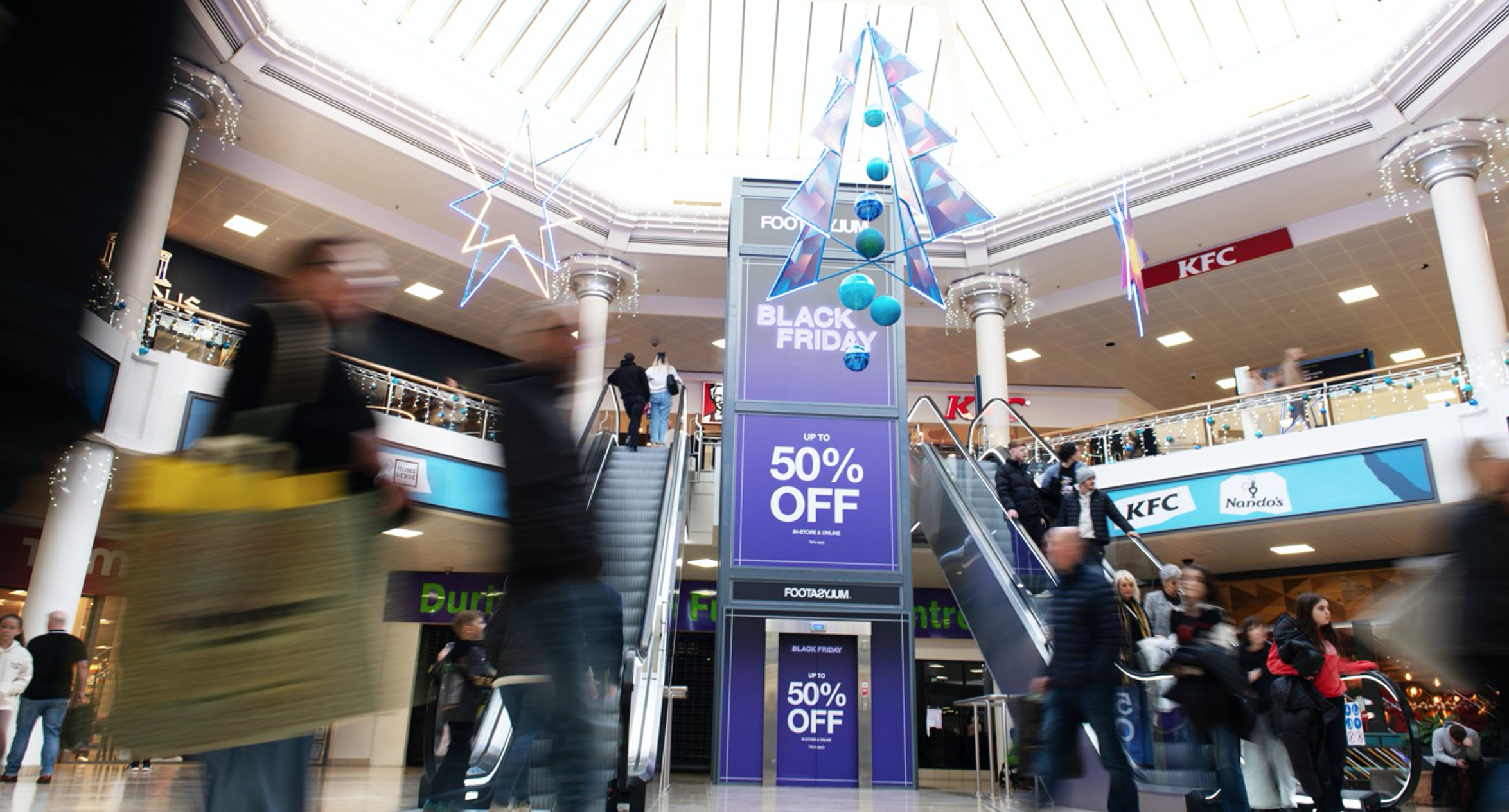
One clear trend from the past year in OOH is the growing importance of large-scale visual impact. Special builds - installations that go beyond traditional formats - have become increasingly popular with advertisers looking for standout impact and memorability in high-footfall environments. Consumers today are bombarded with digital and physical ads everywhere they go. In this context, formats that genuinely cut through - those that deliver visual drama and physical presence in key orientation spaces - are commanding attention. Our own data, alongside broader market research, continues to show that premium environments like malls deliver longer attention times and higher engagement, making them ideal stages for ambitious executions.
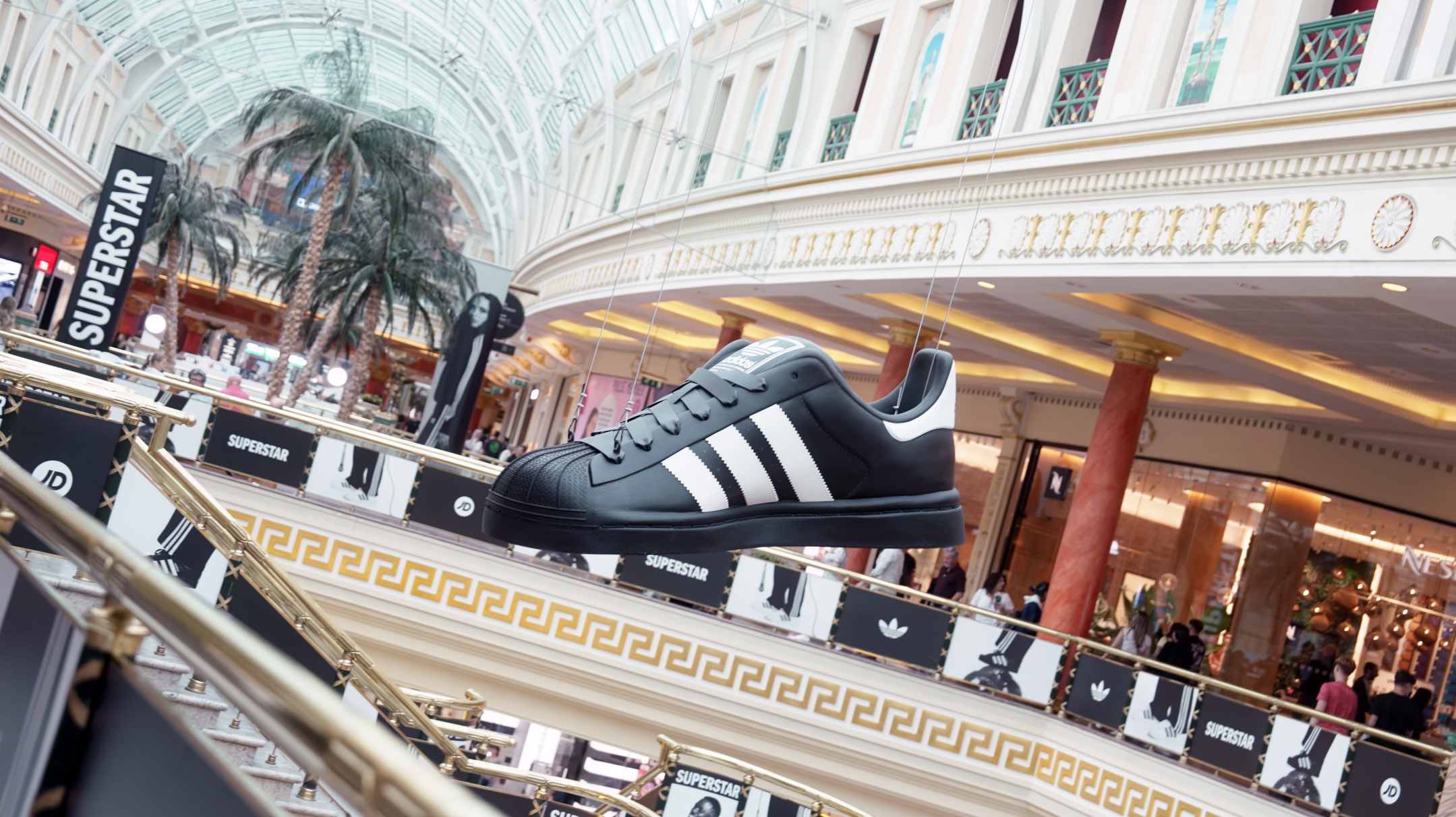
We saw this trend come to life ourselves this year with high-profile activations that truly brought large-scale impact to life. For example, Adidas partnered with JD on a striking campaign at The Trafford Centre, featuring a giant 2.5-metre-long 3D replica of the iconic Superstar trainer suspended in the main atrium, whilst JD themselves also built the world’s largest JD replica duffle bag for the opening of their new Trafford Centre store earlier in the year.
Expect 2026 to see even more brands embracing large-scale impact pieces that redefine how OOH can look and feel in busy public spaces.



2. Transparency and Data-Driven Confidence
Transparency in media performance isn’t a “nice-to-have” anymore - it’s essential. Brands want, and increasingly expect, real-time, granular insight into who they’re reaching, when, and how their campaigns are performing.
That’s exactly why we invested in using Data Jam across our mall portfolio. This platform gives our clients richer, deeper audience insights in real-time, allowing them to connect campaign exposure with actual behavioural movement in centre environments.
Whether it’s understanding peak visit times or audience composition, these insights empower smarter media planning and more accountable OOH investment. In a world where data shapes strategy, OOH sites equipped with robust analytics tools become true performance media, not just awareness drivers.


3. Programmatic & AI
Programmatic isn’t the future - it’s now. This year we made a significant technical investment by expanding our Samsung-Tizen network, enhancing our programmatic capabilities through a technical refresh that has delivered higher performance, greater reliability for brands running automated campaigns and broader accessibility of DOOH inventory to programmatic buyers.
In shopping centre environments specifically, programmatic allows brands to reach visitors at the right moment of the journey - whether during peak evening leisure hours, weekend footfall surges, or seasonal spikes. Programmatic is not just about buying efficiency - it’s about relevance and responsiveness in real life.
As the industry looks ahead to 2026, AI is playing a growing role in shaping how media planning and buying are carried out, acting as a powerful support to existing expertise. It is already being used to enhance audience modelling, forecasting, programmatic optimisation and measurement, enabling planners and buyers to navigate increasingly complex data sets with greater speed and confidence. Over the year ahead, its influence is expected to expand further in OOH, particularly in areas such as location planning, footfall prediction and contextual targeting, helping campaigns become more responsive and accountable.
4. DOOH Used Differently
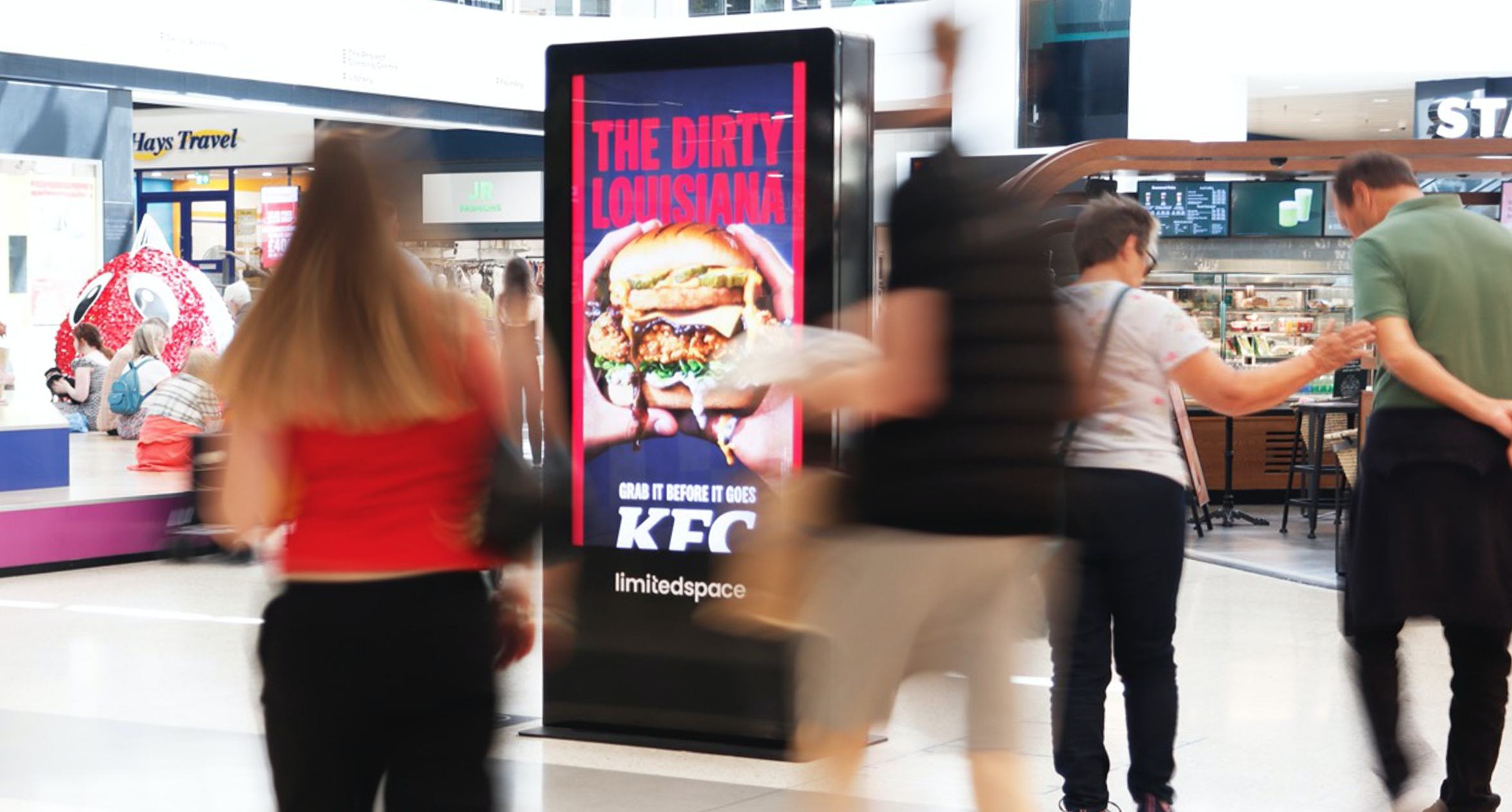
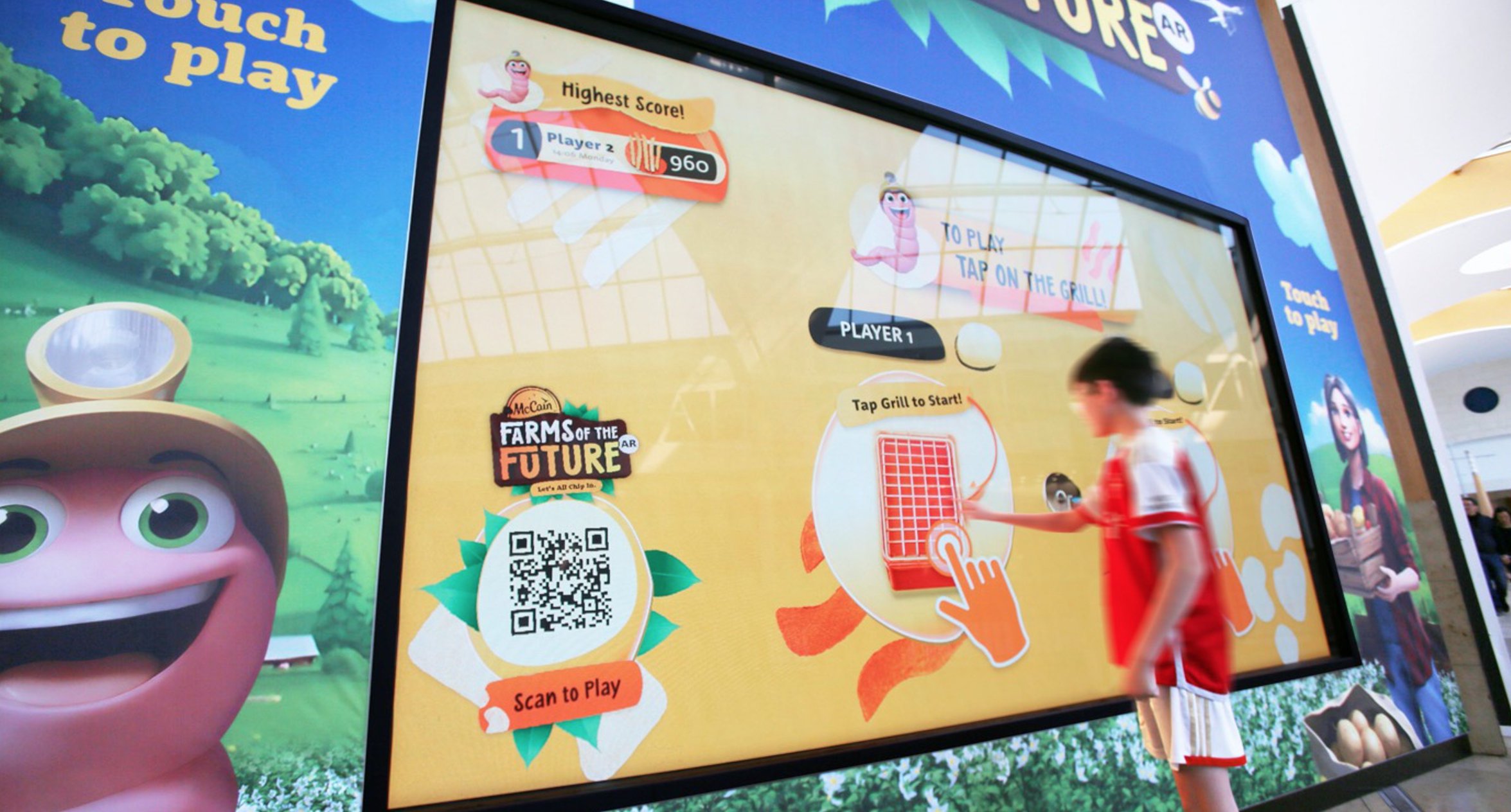
From QR integrations to gesture-triggered content and gamified creative, interactive experiences continue to transform passive viewers into active participants. In malls - where dwell time is already higher than most other out-of-home environments - these engagements help brands deepen recall, drive social sharing, and influence in-centre behaviour. But DOOH in 2026 is about much more than interactivity alone.
Dynamic, real-time content is becoming an increasingly powerful tool, allowing campaigns to respond instantly to context, events, or audience behaviour. Countdown clocks, live feeds, and adaptive creative bring immediacy and relevance, creating a sense of anticipation and FOMO that static screens simply cannot match.
Alongside interactivity and dynamic content, experiential and sampling activity is thriving, offering brands an opportunity to directly talk to it’s audience, encourage engagement and drive immediate sales. Our Orbit screens provide the perfect digital backdrop to amplify impact, creating a visually striking stage for product demonstrations, immersive brand activations and live events - seamlessly connecting physical experiences with digital messaging.


5. The Rise of the Night-Time Economy
Possibly the most exciting trend heading into 2026 is the expansion of the night-time economy in malls. With the help of Data Jam’s insights, we’ve been able to map how audience behaviour changes throughout the day, and what’s clear is that shopping centres are not just daytime spaces.
Across our screens, approximately 15% of total weekly impressions occur after 6pm, rising to around 24% across Thursday to Saturday, and increasing further to 36% on Fridays, when audiences are out socialising, dining, and engaging with leisure experiences. These trends reflect a broader shift: consumers are increasingly treating malls as day-to-night destinations where retail, food & drink, entertainment, and social time converge.
A prime example is Metrocentre’s £6 million investment to redevelop its Green Mall entrance, adding F&B and day-to-night appeal designed to strengthen its position as an evening destination. For brands, this means shopping centre OOH is no longer just about daytime footfall - it’s about reaching people in the right mindset, with friends and family, during moments of leisure and hospitality.

6. Continued Brand Investment in Physical Retail Footprints
Despite ongoing challenges in certain high-street segments, many major brands are doubling down on physical retail and shifting their strategies to expanding their presence inside UK shopping centres.
Holland & Barrett was actively rolling out a major store expansion programme in 2025, targeting around 50 new UK store openings, including standalone sites and new formats alongside refreshed concession partnerships. This expansion builds on 35 new store openings and 280 refurbishments completed over the previous 12 months, as part of an ambitious £70 million investment in its estate and new experiential formats such as wellbeing studios and immersive customer spaces.
Sephora is also continuing its UK market rebuild and growth trajectory, aiming to double its store footprint to at least 20 locations over the next few years, with openings including Liverpool One and existing presence in Westfield Stratford City, Bluewater, Metrocentre, Eldon Square, and Birmingham’s Bullring.
Gymshark plans to grow its physical footprint with three new permanent UK stores in 2025, including a 9,000 sq ft flagship at Westfield White City, its first standalone northern UK store at Trafford Centre in Manchester, and additional store openings in high-profile centre environments.
Space NK is also actively expanding with new stores at Bluewater Shopping Centre, Chelmsford, and Highcross Leicester, alongside an upsized Glasgow store, reflecting a focus on brand experience and accessibility in key regional hubs.
Meanwhile, JD Sports continues to reinforce its centre footprint through store relocations, upsizes, and flagship concepts, investing in destinations such as Derbion Shopping Centre and the world’s largest JD store opened this year in the Trafford Centre, Manchester – the brand’s hometown.
Taken together, these investments signal strong ongoing confidence in the strategic value of physical store footprints, which act as brand destination hubs driving discovery, supporting omnichannel experiences, and maintaining significant engaged footfall that OOH media can leverage.


7. Cultural Moments and Major Events
As we look ahead to 2026, it’s not only retail calendars that matter in shaping consumer behaviour and media planning - it’s also the cultural moments that define entire seasons of spending, attention and shared experience. Across the year, advertisers will activate around established retail occasions such as Valentine’s Day, Mother’s Day, Father’s Day, Black Friday, Halloween and Christmas - all traditionally peak moments for brand engagement and footfall inside shopping centres.
These seasonal peaks offer predictable spikes in emotional relevance, purchase intent and social activity. For example, Valentine’s Day and Mother’s Day drive gift‑led journeys where brands can connect emotionally; Halloween and Christmas heighten family and leisure behaviours that extend dwell times; and Black Friday puts shopping centres at the centre of transactional urgency and promotional energy.
Overlaying this familiar calendar is a major global sporting moment that will shape consumer attention like few others: the 2026 FIFA World Cup, running from June 11 to July 19, 2026, across the United States, Mexico and Canada. This will be the largest World Cup ever staged, with 48 teams and 104 matches delivered across 16 cities - an unprecedented scale that elevates it beyond sport into a cultural phenomenon with huge media repercussions.



Want to discuss this further? Please feel free to get in touch if you would like to talk to us about opportunities relating to anything mentioned above or any other queries.